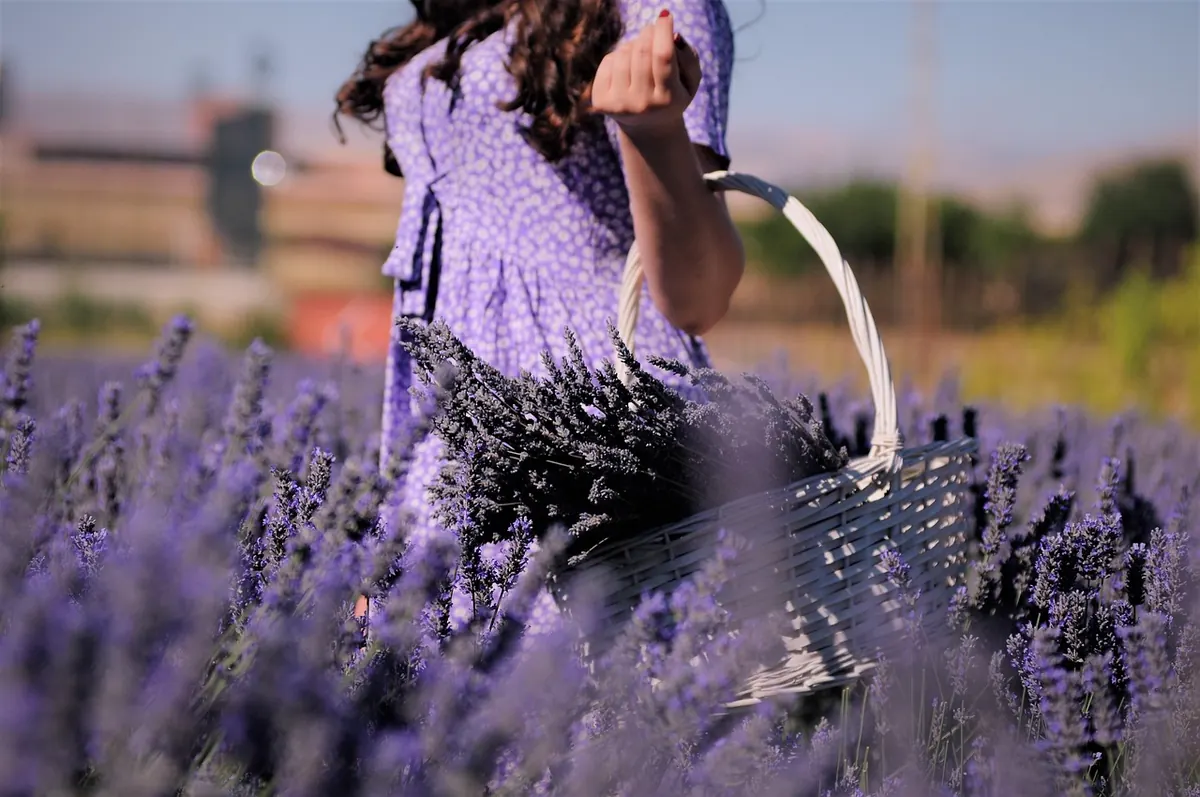
A day out in the British countryside leaves its mark on you: muddy boots, wind-burned cheeks, a clearer head. What you leave behind is a separate question, and one most of us answer a little too casually.
The damage that matters is rarely dramatic. It is the path that has become six feet wide because everyone stepped around the same puddle. It is the litter tucked under a wall, the dog that flushed a lapwing off its nest, the gate swinging open in the wind. None of it is malicious; all of it adds up. Leave no trace is not a slogan handed down from on high. It is a handful of habits that keep the places we love worth walking in.
Paths exist to concentrate wear in one place. Step off them and you spread that wear across the landscape. On peat, chalk downland and fragile upland grass, a boot print can last for years, and a widening path turns into a braided mess of alternative routes that never recovers.
So when the path ahead is a bog, walk through it. This is the moment to be glad of decent boots and gaiters rather than to invent a new route along the verge. If the ground is genuinely impassable — a flooded river crossing, a fallen tree across a ravine — turn back or take a legal alternative. What you should not do is push a fresh trail through the undergrowth beside it. Today's shortcut is next year's erosion gully.
Two more small things. Walk single file where the path is narrow, particularly through crops and along hedgerow margins. And on farmland, follow the line of the right of way even when the headland looks easier: a footpath crosses a field for a reason, and the crop either side of it belongs to somebody's living.
Very little of what we drop is biodegradable in any useful sense. It just becomes litter with a story attached. The usual offenders:
Carry a bag for your own rubbish, and a spare one so you can pick up something that is not yours. If you have a dog, carry the bag to the next bin even if that is two miles away.
If you are caught short, walk well away from the path, watercourses and buildings, dig a shallow hole, and carry the paper out with you in a bag. It is an unglamorous rule, and it is the one that keeps a popular beauty spot from becoming unpleasant.
Most of the wildlife you will disturb, you will disturb without meaning to. Ground-nesting birds such as skylark, curlew, lapwing and meadow pipit nest between March and July, and their eggs and chicks are almost perfectly camouflaged. A dog quartering a moorland ridge or a clifftop is not being naughty; it simply cannot see what it has just run through. Keep dogs close and on a lead on moorland, farmland, cliff paths and anywhere livestock are grazing.
Do not feed ponies, cattle, deer or ducks. Animals that learn to associate people with food drift towards car parks and roads, which rarely ends well for them. Keep your distance, use a zoom lens rather than your feet, and never handle a wild animal that appears to be in difficulty — contact the landowner, a wildlife rescue or the relevant national park authority instead.
Around sheep and lambs, a lead is non-negotiable, and in the lambing season it is worth choosing another route altogether. Cattle are a different problem. If you feel threatened, do not run and do not corner yourself. If you are being followed or charged and you have a dog with you, let it go: you can both get clear, and a loose dog is far less likely to be hurt than one attached to a person. Give cows with calves a wide berth, and never walk between a cow and her calf.
Ticks are common in long grass and bracken through the warmer months. Check yourself and your dog after a walk, particularly around the ankles, waist and hairline. If you remove one and later feel unwell, or notice a spreading rash, speak to a pharmacist or your GP rather than waiting to see how it develops.
The single rule is simple: leave a gate as you find it. If it was open, leave it open; if it was closed, shut it. Local signs sometimes explain why a gate is deliberately propped open, so read them. In practice:
Park sensibly. Do not block field gates, farm tracks or passing places on single-track roads; a car left in the wrong spot can stop a tractor or an ambulance. Keep voices and music low — most people are out there to hear the birds. Leave the disposable barbecue at home, since a surprising number of moorland fires start with one, and if you do light a fire, make sure it is genuinely out before you leave.
Drones frighten livestock and disturb wildlife, and are banned in many places. Wild camping is a right in much of Scotland under the outdoor access code, but in England and Wales you generally need the landowner's permission. Wherever you are, small, brief and well away from roads, buildings and water is the standard to aim for.
Three things, every time. A bag for rubbish, so you never have to decide what to do with a wrapper. A lead, even if your dog is impeccably behaved, because livestock and ground-nesting birds do not know that. And a rough plan for your route, including where you will park and which gates you will meet.
Then add one habit on top: pick up one piece of litter that is not yours. Over a year of walks that is a surprising amount of countryside quietly improved. Leave no trace, and where you can, leave it slightly better.
Photo: Asssum / Pixabay
How to walk through British villages and farmland without causing offence: gates, livestock, driveways, rights of...
A first-timer's guide to the South West Coast Path: reading tides, staying safe near cliff edges, judging distances...
Learn to read contour lines with confidence — spot steep ground, judge gradients and plan a climb or descent that...

Exploring paths, places, and stories of rural Britain..
