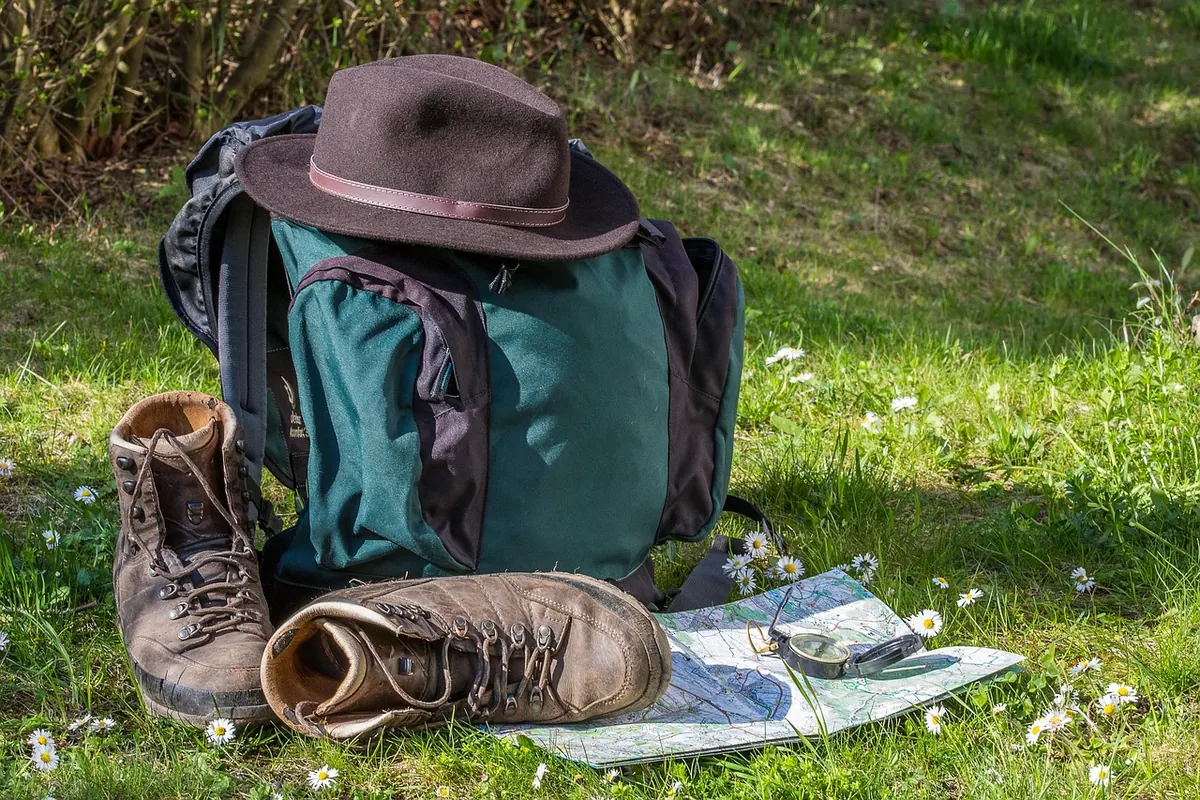
British weather is a trickster. A clear morning can turn into a soaking afternoon, and a warm valley can be a cold, windy ridge by lunchtime. Pack for the day you might get, not just the one you hope for, and you will walk further, warmer and happier. This checklist covers the 15 essentials for a countryside day walk, from layering and navigation to food, water and the emergency kit you will hopefully never need.
Start with a base layer that wicks sweat away from your skin. Merino wool or a synthetic fabric works well; cotton holds moisture and chills you when you stop. Add a mid-layer fleece or light synthetic jacket for warmth, then a waterproof shell with taped seams and a hood. Waterproof over-trousers are worth their weight if rain is forecast or you are walking through wet grass. Even in summer, pack a spare warm layer—a lightweight fleece or insulated gilet—and a hat and gloves. A warm head makes a surprising difference when the wind picks up. Footwear matters: walking boots or sturdy shoes with good grip, and spare socks in a dry bag. Wet feet lead to blisters, and blisters end walks early.
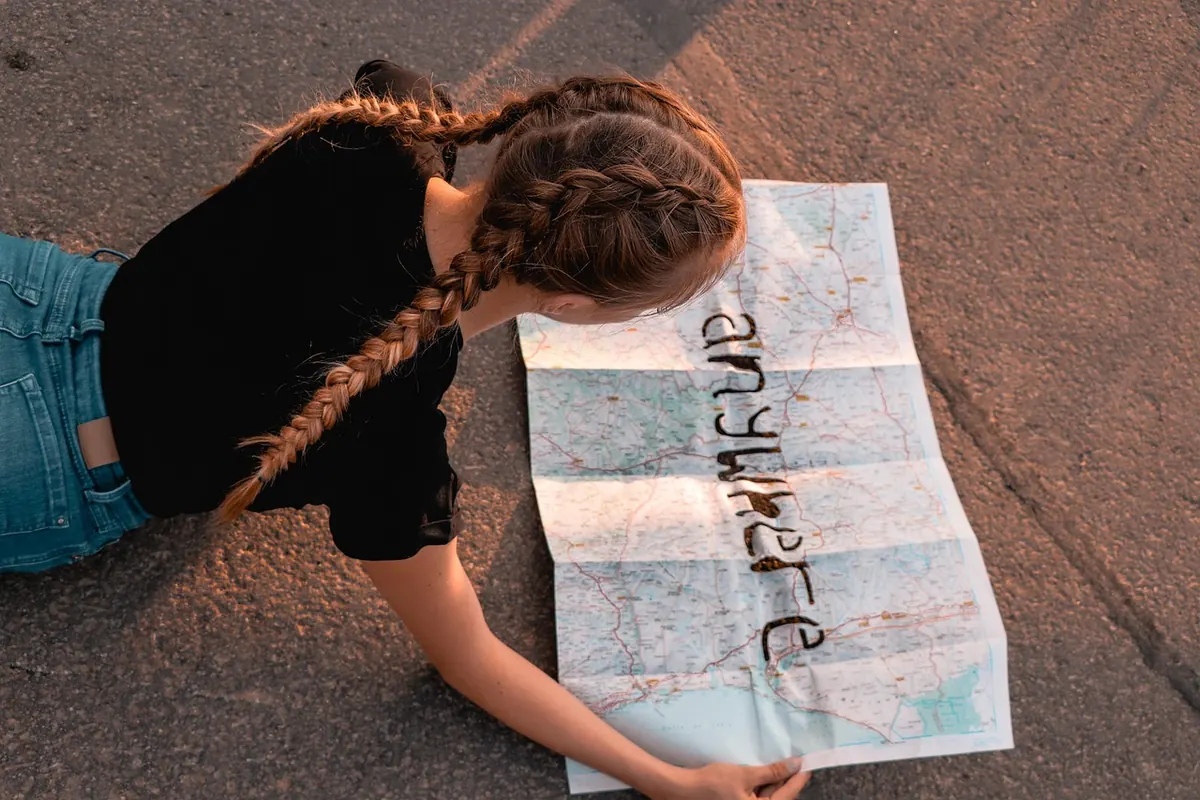
Never rely on a single device. Carry a paper map and compass, and know how to use them. If you prefer a phone app, download offline maps before you leave, and carry a power bank. A phone battery can die in the cold, especially when you are taking photos or checking the route. A headtorch is part of your navigation kit too; a wrong turn can add hours, and you do not want to be finding a footpath in the dark. Tell someone your route and expected return time. If you are walking alone, leave a note with grid references and a rough itinerary.
Water is the one thing people underestimate. Aim for at least one litre for a half-day walk, more in heat or on steep ground. A refillable bottle or bladder is fine, but check whether there are reliable refill points on your route. In remote areas, a water filter or purification tablets add safety. Food should be easy to eat on the move: sandwiches, oatcakes, fruit, nuts, and a few sweets or a cereal bar for a quick energy lift. Pack an extra emergency ration—a high-energy bar or packet of nuts—that stays in your bag for the walk home. Stop for a proper break to eat; walking and eating simultaneously often means eating less than you need.
Your emergency kit does not need to be heavy, but it should cover the basics. A small first aid kit with blister plasters, a few painkillers, antiseptic wipes and any personal medication. A whistle can be heard far further than a shout. A foil blanket or lightweight emergency shelter keeps you warm if you have to wait for help. A headtorch with fresh batteries. A spare pair of socks and a dry layer in a waterproof bag. If you are walking in tick country, a tick remover tool is useful; check yourself after the walk. For medical conditions, carry your medication and let someone know where it is. If you are unsure about your health or fitness for a particular walk, speak to a GP or qualified professional.
Pack your rucksack so heavy items sit close to your back and high up. Put waterproofs at the top for quick access. Use dry bags or a rucksack cover to keep everything dry. Check the forecast, but also check the mountain weather forecast for higher ground—conditions can differ from the valley. A walk in the Lake District or Snowdonia can be a different world at 800 metres. Adjust your kit for the season: add sun cream and sunglasses in summer, and consider midge repellent in the Highlands from late spring to early autumn. In winter, add insulation and a flask of hot drink. If you are walking with children, carry extra snacks and a spare set of clothes.
Run through this list before you leave the car or the front door. Is your phone charged and do you have a power bank? Have you told someone where you are going and when you will be back? Is your map current and your compass working? Do you have enough water and food for the distance and the weather? Are your waterproofs accessible, not buried at the bottom? Have you checked the forecast for the whole day, not just the morning? Small checks prevent big problems. Then put one foot in front of the other and enjoy the walk. The countryside is at its best when you are prepared for whatever it throws at you.
Photo: maxmann / Pixabay
How to walk through British villages and farmland without causing offence: gates, livestock, driveways, rights of...
A first-timer's guide to the South West Coast Path: reading tides, staying safe near cliff edges, judging distances...
A practical guide to minimising your impact on the British countryside, covering path use, waste, wildlife...

Exploring paths, places, and stories of rural Britain..
